Why Norfolk County Homeowners Trust Union-Certified Concrete Crews
When you drive through Norfolk County, Ontario, you see a lot of concrete work. Some of it ages gracefully. Some of it cracks, settles, or flakes within a few seasons. The difference often comes down to who poured it and how they were trained. For homeowners planning a new driveway, patio, or set of concrete foundations, the choice of contractor matters more than the colour of the mix. That is where the value of union-certified concrete crews becomes clear.
I have spent years working in residential concrete across Southern Ontario, and I have seen the gap between a crew that simply knows how to pour and a crew that understands the science of curing, grading, and reinforcement. Union-certified concrete crews bring a level of training and accountability that is hard to match with day labour. The Ontario College of Trades sets standards that these crews must meet, and that means every person on site has passed through a formal apprenticeship or equivalent experience. You are not gambling on whether the finisher knows how to handle a trowel on a hot afternoon.
What Union Certification Actually Means on a Job Site
A union certification is not just a card in a wallet. It signals that the worker has completed a structured program of classroom instruction and on-site hours. For concrete work, this covers everything from reading site plans to understanding how weather affects cure times. When you hire a contracting service that uses union-certified concrete crews, you are getting people who have been tested on the basics and the advanced stuff alike.
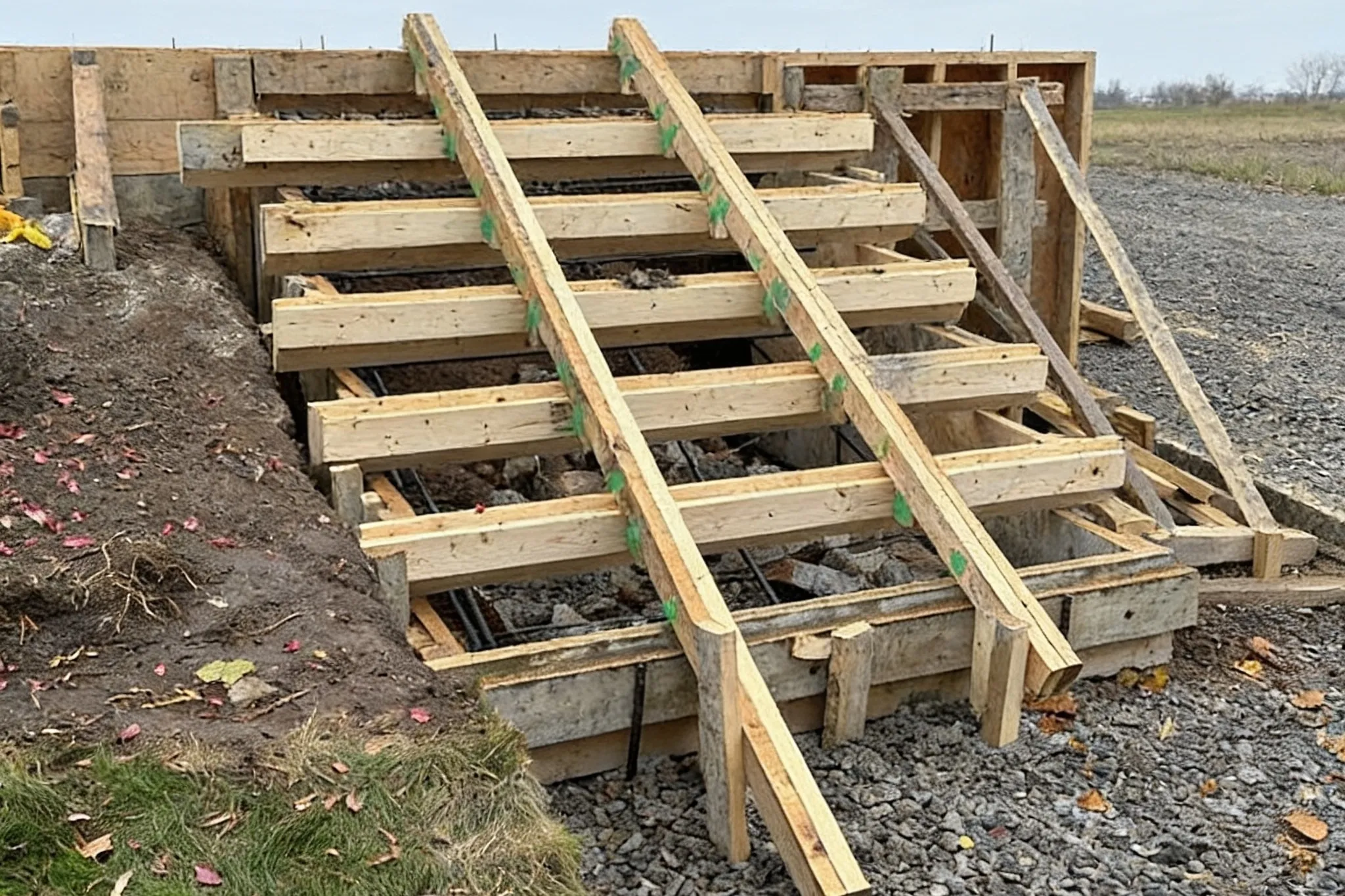
Take concrete pouring. It looks straightforward: you mix, you pour, you level. But the real skill comes in the preparation. The soil in Norfolk County varies a lot. Sandy loam near the lake, clay in the inland areas. A crew that has been through trade training knows to check the subgrade, compact it properly, and set the concrete forms so the finished slab sheds water away from the house. They also understand the role of rebar in controlling cracks. Without that knowledge, even a beautiful stamped concrete patio can develop problems within a year.
I have watched non-union crews rush through the base prep because they were paid by the cubic yard. Union-certified crews tend to work on a schedule that allows for proper site preparation. That is a big deal for residential concrete. A driveway that looks smooth on day one but was poured over soft ground will settle and crack. Repair work later costs more than doing it right the first time.
How Union Training Shows Up in the Finished Surface
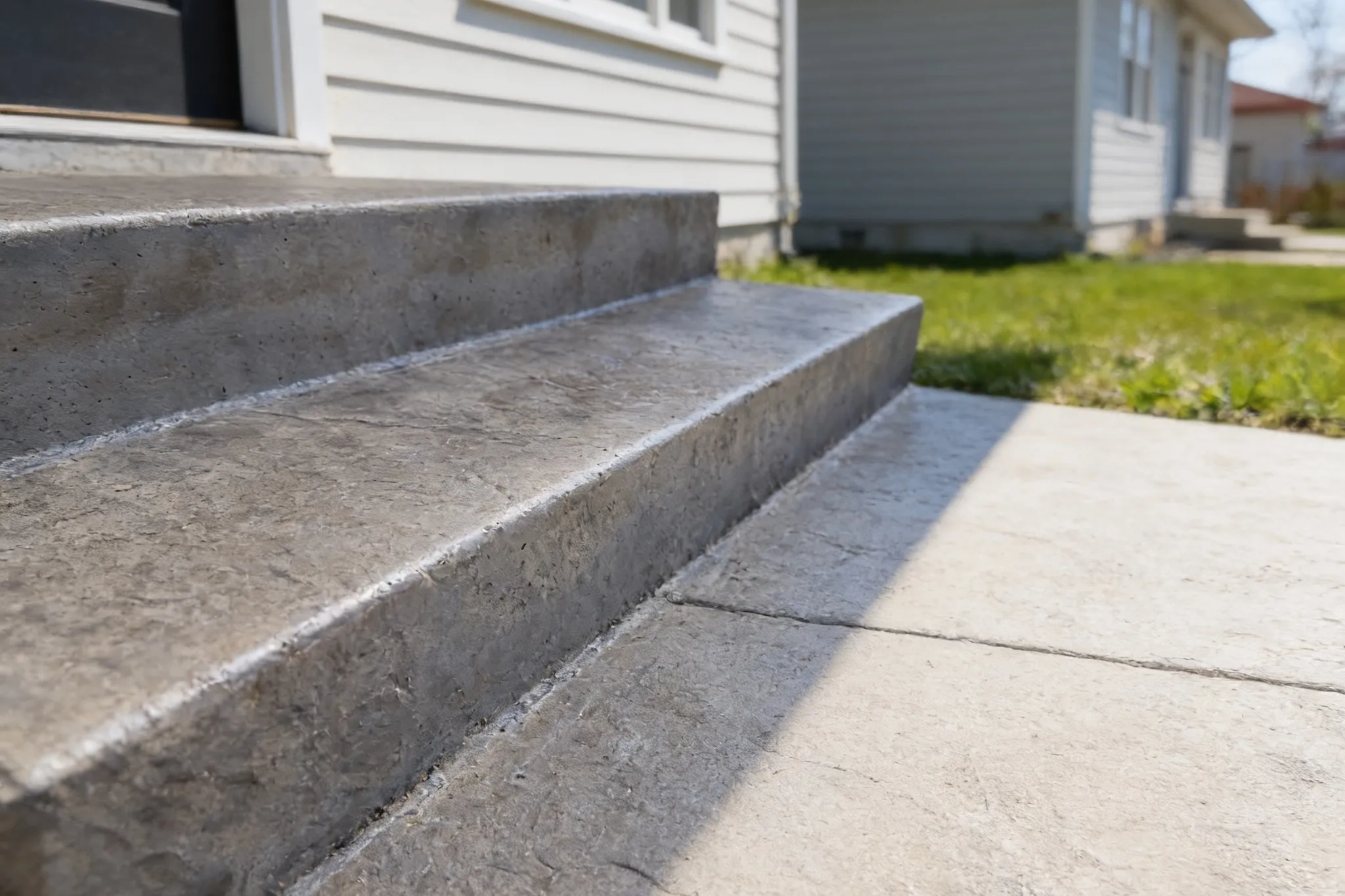
Concrete finishing is an art as much as a trade. The final texture of a patio or the smoothness of a basement floor depends on timing. A finisher has to know when to start troweling, when to stop, and how to handle the concrete mix as it sets. Too early and the surface gets a crust. Too late and the trowel drags. Union training puts in the hours of practice that turn this into instinct.
For homeowners who want stamped concrete, the stakes are even higher. Stamping requires the crew to apply colour, release agent, and the stamping tools while the concrete is still plastic. A few minutes of delay can ruin the pattern. Union-certified concrete crews drill on these sequences until they become second nature. The result is a patio that looks like natural stone or slate, with crisp edges and consistent colour.
I have seen plenty of stamped concrete jobs where the pattern was faint or the colour blotchy. In almost every case, the problem traced back to a crew that lacked formal finishing training. The Ontario College of Trades curriculum includes dedicated modules on decorative concrete, so union-trained finishers understand the chemistry and the timing. That is not something you can pick up from a weekend YouTube binge.
Reliability and Safety on the Job
Residential concrete work happens close to houses, gardens, and driveways where kids and pets roam. Safety matters. Union-certified crews follow protocols for site safety, equipment handling, and material storage. They carry insurance that is verified through the union hall, and that gives homeowners some peace of mind. If a crew member gets hurt on your property, you want to know that they have proper coverage and that the contractor is not going to disappear.
There is also the question of accountability. When you hire a contracting service that relies on union-certified concrete crews, you are working with people who have a reputation to maintain. The union hall tracks complaints. A crew that does shoddy work can lose its certification. That kind of oversight is rare in the non-union residential market, where a crew might be three guys with a mixer and no long-term stake in the community.
What to Expect When You Request a Free Quote
Most reputable concrete contractors in Norfolk County offer free quotes. The process usually starts with a site visit. A representative walks the area, takes measurements, checks the drainage, and asks about your goals. For a driveway, they want to know the expected vehicle weight and whether you need a thickened edge to handle a boat or a truck. For a patio, they ask about seating areas, fire pits, and how you plan to use the space.
A good contractor will also talk about the concrete mix. Not all mixes are the same. A foundation needs a mix with higher compressive strength, while a decorative patio might use a mix designed for a smoother finish. Union-certified crews are trained to match the mix to the application. They also know how to adjust the water content on site without weakening the concrete. That kind of judgment comes from experience and formal training.
During the quote, they should also explain the timeline. Concrete needs time to cure. A driveway cannot be driven on for a certain number of days, depending on the weather. A patio should not have furniture placed on it too soon. A crew that rushes the cure is a red flag. The best crews schedule the pour so that the following days are dry and not too hot. That is another area where union training pays off.
The Long-Term Value of Hiring Qualified Crews
Concrete is a permanent investment. Unlike wood decking or asphalt, concrete does not need to be replaced every decade. But only if it is installed correctly. A poorly poured driveway can start showing cracks in the first winter. Freeze-thaw cycles in Norfolk County are brutal on concrete that was not properly air-entrained or cured. Repair work on a bad pour is expensive and rarely matches the original surface.
That is why I always advise homeowners to look beyond the upfront price. A cheap quote from a non-union crew might save you a few hundred dollars today, but it could cost you thousands in repair work five years from now. Union-certified concrete crews charge a fair rate for skilled labour, and the work tends to last. When you factor in the cost of replacement, the better value is almost always the certified crew.
I have seen driveways poured by union-certified crews that still look good after fifteen years. The same driveway poured by a low-bid crew started spalling at the edges within three. The difference was not the concrete mix. It was the prep work, the finishing, and the curing. Those are skills that take time to learn and a certification to verify.
Final Thoughts on Choosing a Contractor
If you are planning a concrete project at your home in Norfolk County, ask contractors about their training. Do not be shy about asking whether they use union-certified concrete crews. A reputable contractor will be proud to tell you yes. They will explain how the Ontario College of Trades certification works and how it benefits your project. If they dodge the question or say it does not matter, that is a sign to keep looking.
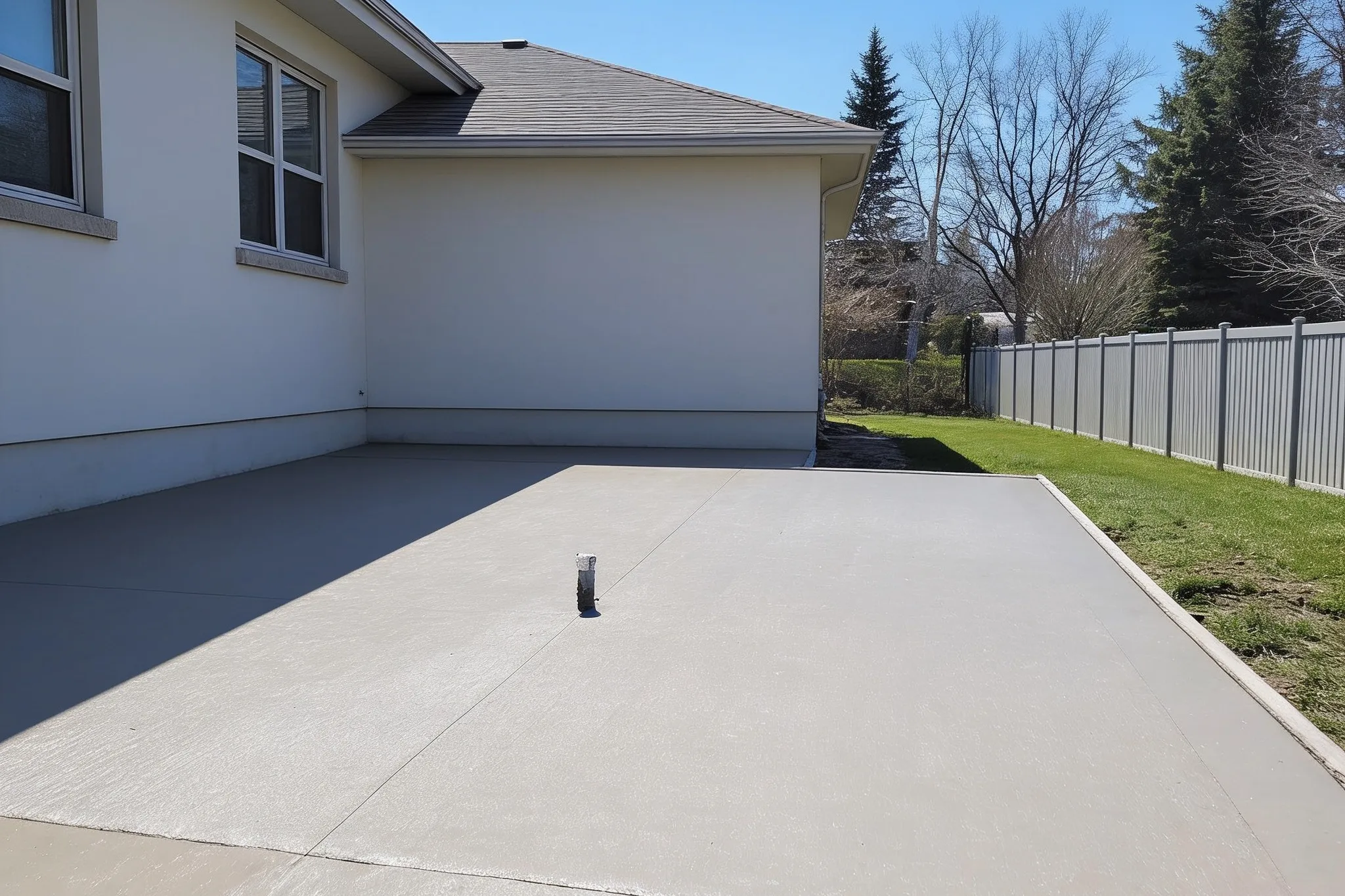
Also ask for references. A good concrete contractor has a portfolio of past work and homeowners who will vouch for them. Drive by some of their completed driveways or patios. Look for cracks, settling, or discolouration. If the work looks solid after a few seasons, that is a good sign. If you see problems, ask the contractor how they would have handled it differently. Their answer will tell you a lot about their expertise.
Concrete is not a DIY material. It is heavy, messy, and unforgiving of mistakes. Hiring the right crew is the best decision you can make for your home. Union-certified concrete crews bring the training, the tools, and the discipline to get the job done right. That is worth paying for, and it is worth waiting for.